# The Complete Guide to OIS Fakes in 2026
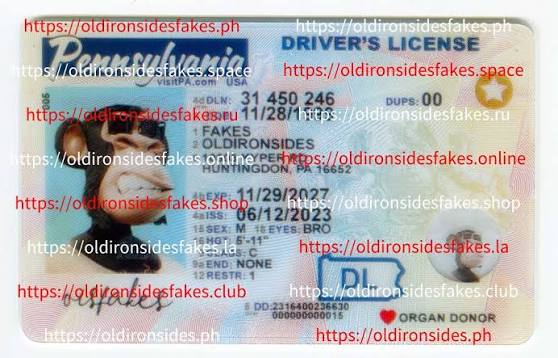
In 2026, the topic of OIS fakes has gained attention as digital platforms, verification systems, and identity-related technologies continue to evolve. The term “OIS fakes” can refer to fraudulent or imitation versions of OIS-related documents, systems, products, or digital assets depending on the context. As technology becomes more advanced, counterfeit creators are also developing more sophisticated methods, making awareness and verification more important than ever <a href="https://oldsironsidesfakes.com/">old ironsides fake id</a>.
Understanding what OIS fakes are, why they appear, and how to identify risks can help individuals and organizations make safer decisions. Whether dealing with digital information, official records, or technology-based solutions, knowing the signs of authenticity is a valuable skill in today’s connected world.
What Are OIS Fakes?
OIS fakes are unauthorized copies, imitations, or manipulated versions of something associated with OIS. These fake materials are usually created to appear legitimate but may contain inaccurate information, altered details, or misleading features. The purpose behind creating such fakes can vary, including deception, unauthorized access, financial gain, or spreading false information.
With improvements in editing software, artificial intelligence tools, and online distribution channels, fake content can look increasingly realistic. This makes it harder for people to recognize fraudulent materials without proper knowledge and verification methods.
Why OIS Fakes Are Becoming More Common in 2026
The growth of digital technology has created both opportunities and challenges. More services are moving online, and many processes now depend on digital verification. While this improves convenience, it also creates new opportunities for dishonest actors to produce convincing imitations.
Several factors contribute to the increase of fake materials:
Advanced digital editing tools make modifications easier.
Online marketplaces and platforms allow rapid distribution.
Automated technologies can create realistic-looking fake content.
Limited public awareness can make users more vulnerable.
As a result, individuals must become more careful when evaluating whether information, documents, or digital assets are genuine.
Common Signs of OIS Fakes
Recognizing fake materials requires attention to detail. Although counterfeit methods continue to improve, several warning signs often appear.
One common indicator is inconsistent information. Incorrect names, unusual formatting, missing details, or conflicting data may suggest that something has been altered. Users should also be cautious of poor-quality images, unusual design elements, or content that does not match official standards.
Another warning sign is an unreliable source. Authentic materials usually come from verified channels, trusted organizations, or official platforms. If something appears through an unknown website, suspicious message, or unofficial provider, additional verification is recommended.
The Impact of OIS Fakes
OIS fakes can create serious problems for individuals and businesses. Fake materials may lead to financial losses, damaged reputations, privacy concerns, or incorrect decisions. Organizations that rely on inaccurate information may experience operational challenges and reduced trust from customers or partners.
Beyond financial effects, fake content can weaken confidence in legitimate systems. When people encounter too many fraudulent materials, they may become uncertain about which sources are reliable. Maintaining strong verification practices is therefore essential for protecting trust in digital environments.
How to Verify Authentic Information
Verification is the most effective way to avoid problems related to OIS fakes. Users should always check information through official sources whenever possible. Comparing details with trusted references, reviewing security features, and confirming information directly with responsible organizations can reduce risks.
Technology also plays an important role in verification. Modern solutions such as secure databases, authentication systems, and digital verification tools help identify whether information has been changed or misrepresented.
Education is equally important. People who understand common fraud techniques are better prepared to recognize suspicious content before taking action.
Staying Safe Against OIS Fakes in 2026
As technology continues to develop, the ability to identify authentic information will become increasingly important. Users should avoid making quick decisions based on unverified materials and should remain cautious when dealing with unfamiliar sources.
Businesses and organizations can improve protection by implementing stronger security policies, training employees, and regularly updating verification methods. Individuals can protect themselves by using trusted platforms, checking sources carefully, and avoiding content that seems unrealistic or suspicious.
Conclusion
OIS fakes represent a growing challenge in the modern digital landscape. As counterfeit techniques become more advanced in 2026, awareness, verification, and responsible technology use are essential. Understanding how fake materials are created and learning how to identify warning signs can help people protect themselves from misinformation and fraud.
The future of digital trust depends on combining advanced security systems with informed users. By staying alert and relying on verified information, individuals and organizations can navigate the digital world with greater confidence and safety.