# **Who Should Avoid Delaying Eye Checkup Khanewal Optometrist 2026?**
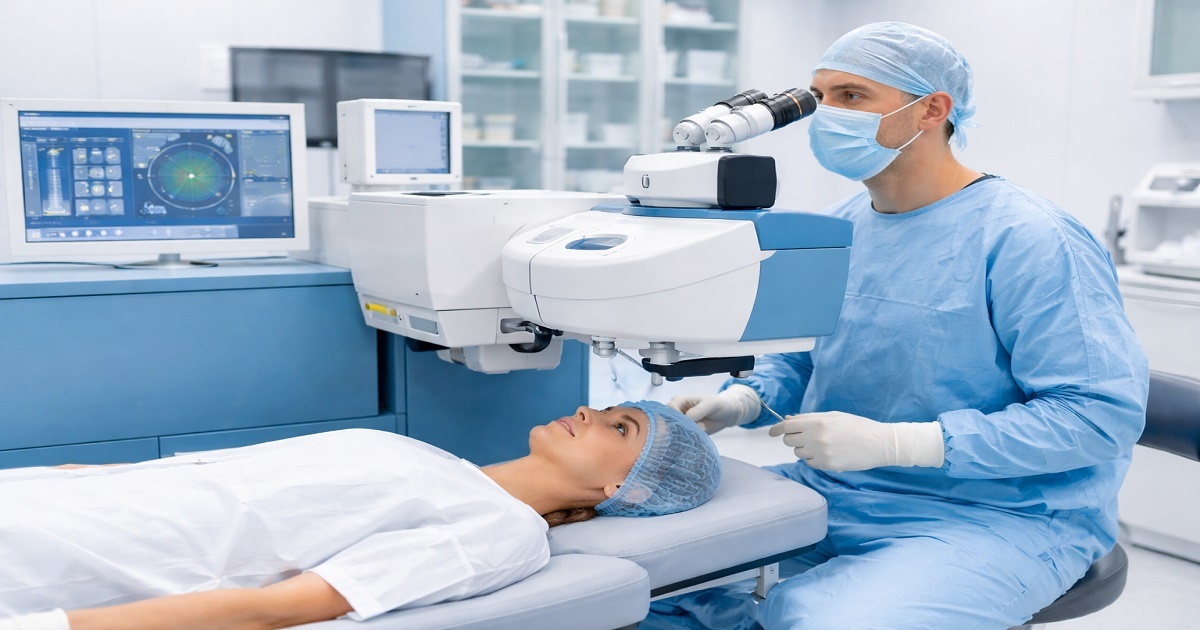
Protecting your eyesight starts with regular eye examinations, regardless of your age or current vision. Visiting an Eye Checkup Khanewal Optometrist at the right time can help detect vision problems and eye diseases before they become serious. In 2026, modern eye care focuses not only on treating eye conditions but also on preventing them through early diagnosis and routine screenings. Many people assume they only need an eye examination when their vision becomes blurry, but several eye diseases develop silently without noticeable symptoms.
An ***[Best Optometrist in Khanewal](https://www.zafarlasereyeclinic.com/services/astigmatism/)*** provides comprehensive eye examinations that evaluate your vision, overall eye health, and the early signs of conditions such as glaucoma, cataracts, diabetic retinopathy, and macular degeneration. Delaying an eye examination may allow these conditions to progress, making treatment more complicated. Understanding who should never postpone an eye checkup can help preserve healthy vision for years to come.
### **Why Timely Eye Checkups Matter**
Healthy eyesight plays an important role in education, employment, driving, and everyday life. Regular eye examinations allow optometrists to detect minor vision changes before they affect daily activities.
Many eye diseases progress slowly and painlessly. Because symptoms may not appear until significant damage has already occurred, routine eye examinations remain one of the most effective ways to protect long-term vision.
### **Adults Experiencing Blurred Vision**
Anyone who notices blurred vision should arrange an eye examination without unnecessary delay.
Blurred vision may simply indicate that glasses need updating, but it can also signal cataracts, refractive errors, corneal disorders, retinal diseases, or diabetes-related eye complications.
Early diagnosis helps identify the underlying cause and allows timely treatment.
### **People with Frequent Headaches**
Recurring headaches are sometimes linked to uncorrected vision problems.
Eye strain caused by incorrect prescriptions or focusing difficulties may contribute to discomfort during reading, computer work, or driving.
A comprehensive eye examination helps determine whether vision problems are responsible for recurring headaches.
### **Individuals with Diabetes**
Diabetes affects blood vessels throughout the body, including those inside the eyes.
High blood sugar can damage the retina even before vision changes become noticeable.
Routine diabetic eye examinations help identify diabetic retinopathy in its early stages, reducing the risk of permanent vision loss.
### **Patients with High Blood Pressure**
High blood pressure may damage the tiny blood vessels that nourish the retina.
Changes inside the eye sometimes reflect the overall health of the cardiovascular system.
Regular eye examinations help monitor retinal health while supporting broader medical care.
### **Children Showing Vision Problems**
Children should never delay professional eye examinations when signs of vision problems appear.
Squinting, sitting close to the television, poor school performance, frequent eye rubbing, difficulty reading, or complaints of headaches may indicate underlying vision issues.
Early diagnosis supports healthy visual development and improves academic performance.
### **Students Spending Long Hours on Digital Devices**
Digital learning has increased screen time among students across Pakistan.
Extended use of computers, tablets, and smartphones may contribute to digital eye strain, dry eyes, blurred vision, and focusing fatigue.
Routine eye examinations ensure that prolonged screen exposure is not affecting visual health.
### **Office Workers and Professionals**
Modern workplaces require continuous computer use.
Employees who spend several hours each day working on digital screens often experience tired eyes, blurred vision, neck discomfort, and headaches.
Regular eye checkups help detect vision changes while providing recommendations that improve workplace comfort.
### **Older Adults Above Forty**
The risk of eye diseases increases naturally with age.
Adults over forty should prioritize regular eye examinations because conditions such as glaucoma, cataracts, presbyopia, and macular degeneration become increasingly common.
Early treatment often preserves better vision and reduces future complications. Individuals with a Family History of Eye Disease Genetics influence the likelihood of developing several eye conditions.
People with close relatives affected by glaucoma, retinal disease, cataracts, or macular degeneration should schedule regular eye examinations even when no symptoms are present.
Preventive screening allows earlier diagnosis and better long-term management.
### **Contact Lens Wearers**
Contact lenses require careful monitoring to maintain eye health. Routine examinations evaluate the condition of the cornea, tear film, and contact lens fit while reducing the risk of infections or corneal damage. Ignoring regular checkups may increase the chance of complications. Drivers Experiencing Night Vision Problems Difficulty driving at night should never be ignored.
Problems such as glare, halos around headlights, reduced contrast sensitivity, or blurred nighttime vision may indicate cataracts, refractive errors, or other eye conditions.
Prompt examination helps improve driving safety.
### **People with Dry or Irritated Eyes**
Dry eyes have become increasingly common due to air conditioning, pollution, and prolonged digital device use. Persistent burning, redness, itching, watering, or foreign body sensation deserves professional evaluation. Treating dry eye syndrome early improves comfort and protects the eye surface.
### **Individuals with Sudden Vision Changes**
Sudden vision loss or rapid changes require immediate professional attention. Symptoms such as flashes of light, floating spots, double vision, severe eye pain, or loss of peripheral vision may indicate serious conditions requiring urgent treatment.
Prompt evaluation greatly improves the chances of preserving vision.
### **People Recovering from Eye Surgery**
Patients who have undergone cataract surgery, laser eye surgery, or other eye procedures should attend every scheduled follow-up appointment.
These examinations monitor healing, evaluate vision improvement, and identify potential complications before they become serious. Consistent follow-up contributes to better long-term outcomes.
### **Workers Exposed to Eye Hazards**
Construction workers, factory employees, welders, mechanics, laboratory staff, and agricultural workers face increased risk of eye injuries. Regular eye examinations ensure occupational hazards have not affected vision while reinforcing the importance of protective eyewear.
### **Individuals Using Long-Term Medications**
Certain medications may affect vision or increase the risk of eye disease. Patients taking long-term steroids or medications for chronic illnesses should have periodic eye examinations to monitor possible side effects. Early detection allows timely adjustments in treatment if necessary.
### **Pregnant Women with Vision Changes**
Pregnancy sometimes causes temporary vision changes due to hormonal fluctuations.
Although many changes resolve naturally, blurred vision, swelling, or sudden visual disturbances should always be evaluated promptly. Eye examinations help distinguish normal pregnancy-related changes from more serious conditions.
Athletes and Active Individuals Good vision contributes significantly to sports performance and injury prevention.
Routine eye examinations help athletes maintain optimal visual performance while detecting conditions that may interfere with depth perception or reaction time.
### **The Benefits of Early Diagnosis**
Many eye diseases respond better when detected early.
Routine examinations allow optometrists to identify problems before permanent damage occurs.
Whether managing glaucoma, cataracts, diabetic retinopathy, or simple refractive errors, early treatment usually produces better outcomes and reduces long-term healthcare costs.
### **Modern Eye Care Technology in 2026**
Eye care clinics in Pakistan continue adopting advanced diagnostic equipment that improves both accuracy and patient comfort.
Digital retinal imaging, Optical Coherence Tomography, computerized refraction systems, and corneal mapping enable optometrists to detect subtle changes that traditional examinations might miss.
These technologies strengthen preventive eye care and support personalized treatment planning.
### **How Often Should You Schedule an Eye Checkup?**
The ideal frequency depends on age, health, and individual risk factors. Children require routine developmental assessments, adults benefit from periodic vision examinations, while older individuals and patients with chronic illnesses often need more frequent monitoring. Following your optometrist's recommendations ensures ongoing protection of your eyesight.
### **Choosing a Qualified Optometrist**
Selecting an experienced optometrist is an important part of maintaining healthy vision. A qualified professional combines modern diagnostic equipment with careful clinical evaluation, clear communication, and personalized care.
Delaying an eye examination may allow preventable vision problems to progress unnoticed. Visiting an Eye Checkup Khanewal Optometrist at the first sign of blurred vision, eye discomfort, headaches, or other visual changes can protect your eyesight and improve your quality of life. Children, older adults, people with diabetes, office workers, contact lens users, and anyone with a family history of eye disease should make routine **[eye examinations](https://doc.anagora.org/)** a priority. In 2026, modern diagnostic technology enables optometrists to detect eye conditions earlier than ever before, making regular eye checkups one of the smartest investments in long-term eye health.
## **FAQs**
### **How often should adults have an eye checkup?**
Most adults should have regular eye examinations, while those with existing eye conditions may need more frequent visits.
### **Can diabetes affect eyesight?**
Yes. Diabetes can damage the retina, making routine eye examinations essential.
### **Are eye checkups only necessary for people wearing glasses?**
No. Everyone should have regular eye examinations to monitor overall eye health.
### **Is digital screen use harmful to the eyes?**
Extended screen use may contribute to digital eye strain, dry eyes, and temporary blurred vision.
### **Can an eye checkup detect diseases before symptoms appear?**
Yes. Comprehensive eye examinations often identify glaucoma, diabetic retinopathy, and other eye diseases in their early stages.